Old person smell is a thing
Are you imagining that Grandma has a distinctive smell, as do others of her age? No, you aren’t.

Are you imagining that Grandma has a distinctive smell, as do others of her age? No, you aren’t.
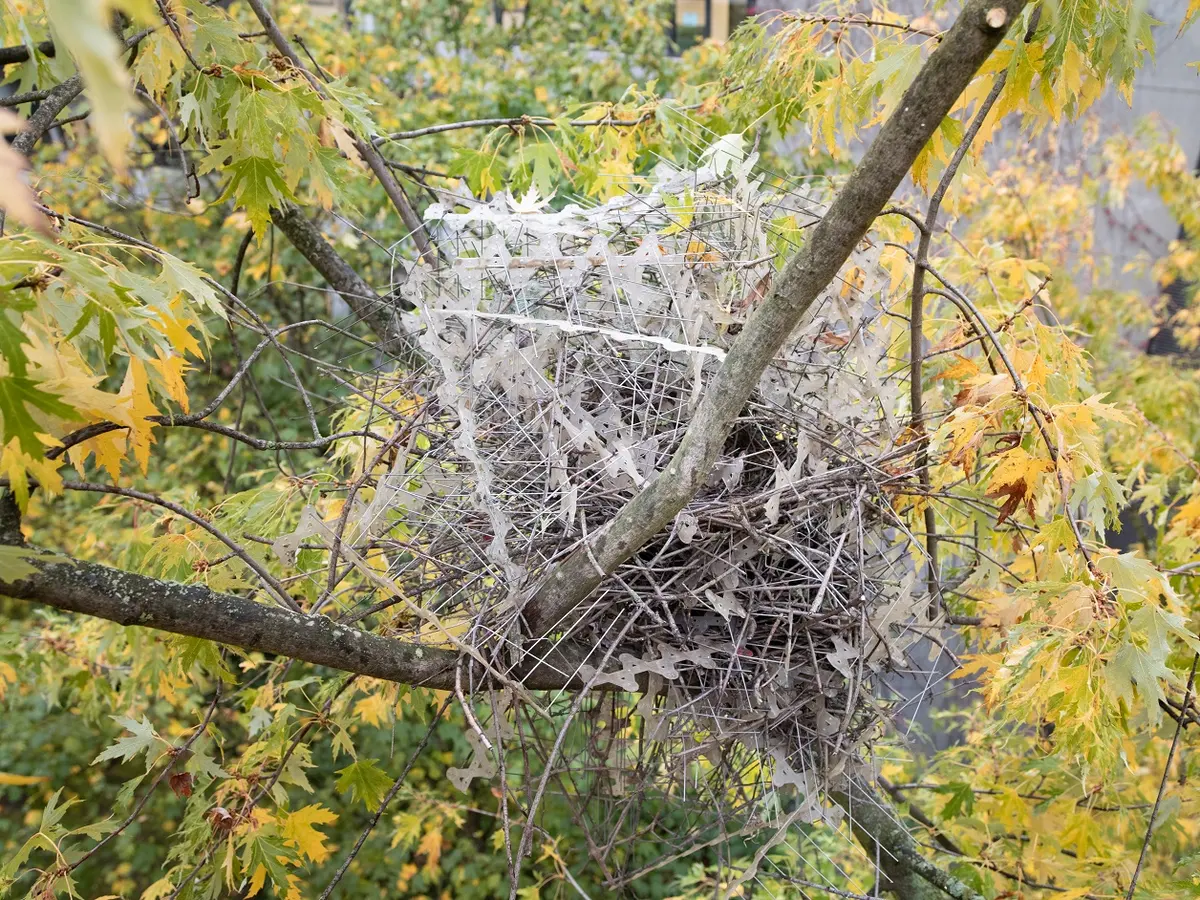
Birds are very ingenious creatures and some, especially corvids, are incredibly smart. They have been known to rip anti-bird spikes off rooves but it still came as a surprise when scientists discovered they were making nests out of them *to deter other birds*.
Moving on from having sequenced the human genomes from the first time 20 years ago, now we have the first draft of the human pangenome – a much more diverse collection of 47 distinct genomes from different ancestral backgrounds.
Picking your nose might be more than a habit – it could give you Alzheimer’s disease.
Do you sleep with a snorer? Do they have sleep apnoea? They might be in for early cognitive decline as a result.
A large animal study has found a strong correlation between how long an animal yawns and the size of its brain.
New research in tomato and tobacco plants suggests they can generate airborne sounds in response to stress (such as from drought, or being cut) that are loud enough for others to hear.
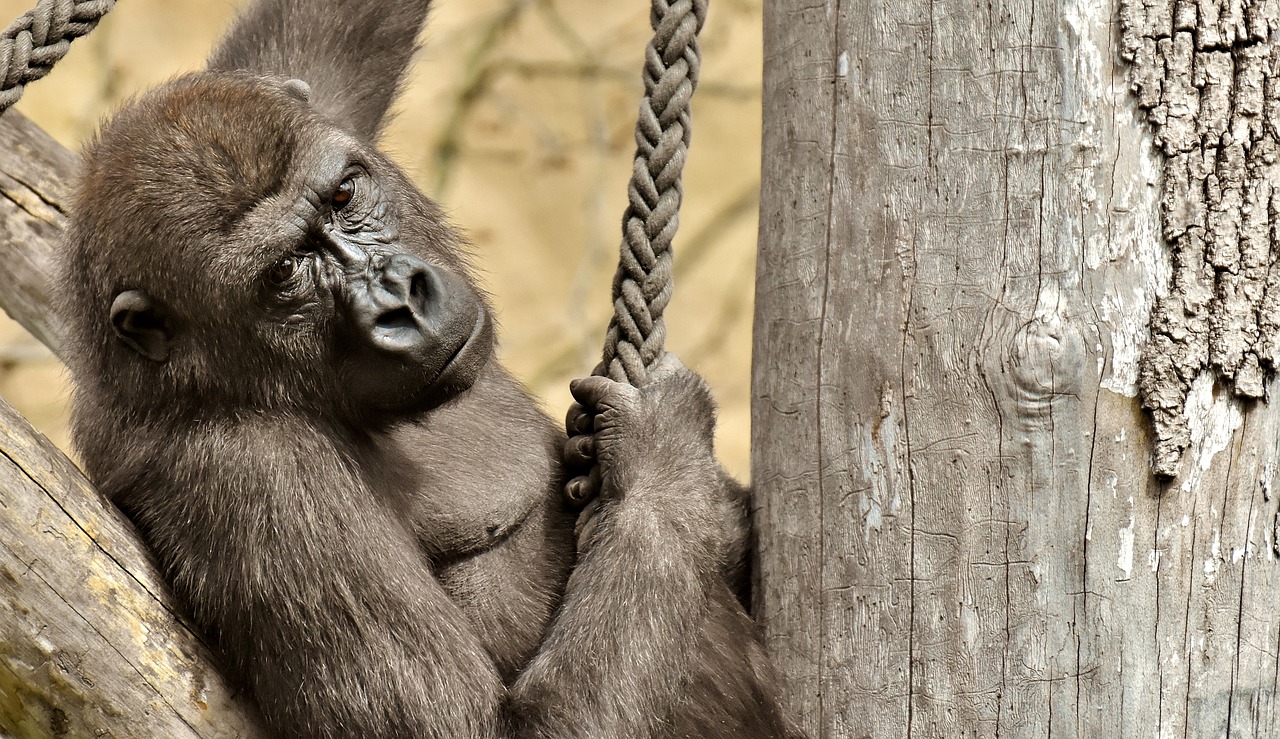
We all felt the impacts of COVID-19 lockdowns – but what about primates in zoos who no longer saw any visitors?
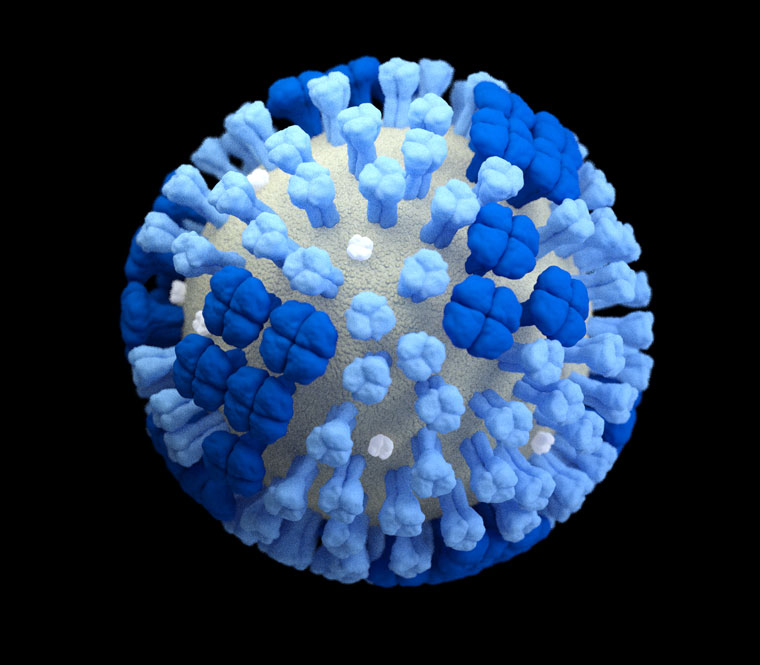
Is the incidence of virus outbreaks increasing? Or just it just seem that way?
Do you dig out your ear wax? Don’t! The old adage that nothing smaller than your elbow goes into your ear is absolutely true.
As if bees aren’t in enough trouble, a new paper shows how the lifespan of the adult honeybee appears to have shrunk by nearly half in the past 50 years.
The Population Health Research Network answers really important questions about our health and wellbeing and I was privileged to work on their Investment Plan 2023-2028, which is now available.
Sleep is really important for staying healthy – but is there a correct sleeping position? And what does exercise have to do with it?
It seems playtime isn’t just for children and animals. Lab-kept bumble bees apparently roll small wooden balls around for no purpose other than fun,
The Black Plague ripped through Europe, Africa and Asia 700 years ago and killed around 200 million people. Genes that were associated with a survival advantage are still present in us today – but appear to make us more susceptible to autoimmune diseases.